
00
About abnormal bleeding
Personalized care. Clear answers. Thoughtful options. A plan built for you.
Changes in bleeding can affect daily life and sometimes point to an underlying condition. MAA Women’s Health evaluates your symptoms, cycle history, health background, and goals before recommending next steps.
01
When to make an appointment
- Bleeding between periods
- Very heavy or prolonged periods
- Bleeding after menopause
- Cycles that become suddenly irregular
Seek urgent care when symptoms are severe.
Call 911 or go to the nearest emergency department for life-threatening symptoms. This website cannot diagnose an emergency.
02
What care may include
- 1
A focused history and pelvic examination
- 2
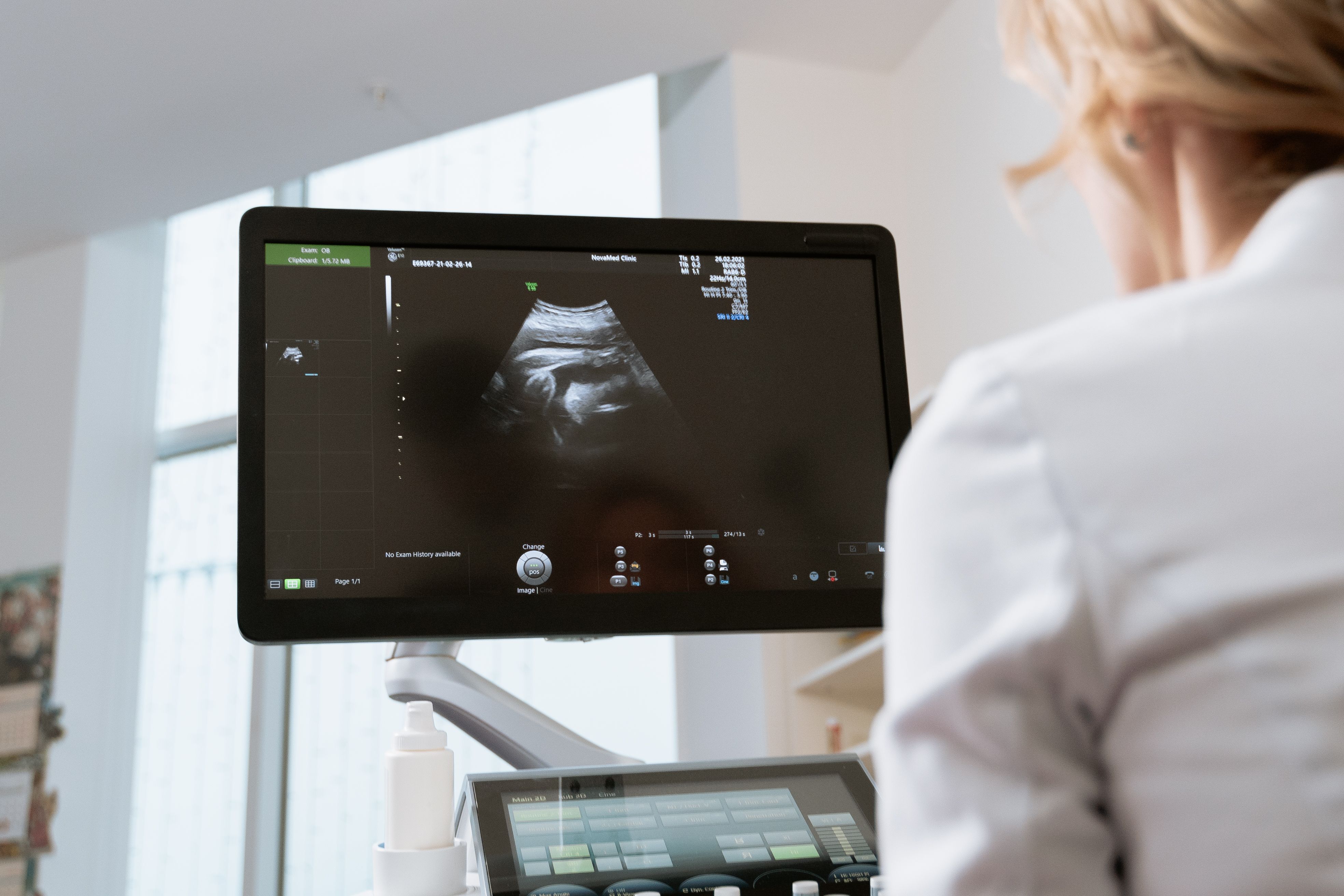
Pregnancy testing, lab work, or ultrasound when appropriate
- 3
Medication, hormonal care, or procedural options based on the cause
03
Frequently asked questions
Helpful answers before your visit.
What is considered abnormal bleeding?
Bleeding may be abnormal when it happens between periods, lasts longer than usual, is unusually heavy, occurs after sex, or happens after menopause. Your normal pattern and life stage matter.
What can cause abnormal uterine bleeding?
Possible causes include hormonal changes, fibroids, polyps, pregnancy-related conditions, thyroid concerns, medications, bleeding disorders, infection, and changes in the uterine lining.
How is abnormal bleeding evaluated?
Your visit may include a medical history, pelvic exam, pregnancy test, blood work, ultrasound, Pap testing, or an endometrial biopsy. The evaluation is tailored to your age and symptoms.