00
About fibroid treatment
Personalized care. Clear answers. Thoughtful options. A plan built for you.
Uterine fibroids are common noncancerous growths. Some cause no symptoms; others lead to heavy bleeding, pelvic pressure, pain, urinary changes, or fertility concerns. Treatment is individualized.
01
When to make an appointment
- Heavy or prolonged periods
- Pelvic pressure or fullness
- Pain during sex
- Urinary frequency or constipation
Seek urgent care when symptoms are severe.
Call 911 or go to the nearest emergency department for life-threatening symptoms. This website cannot diagnose an emergency.
02
What care may include
- 1
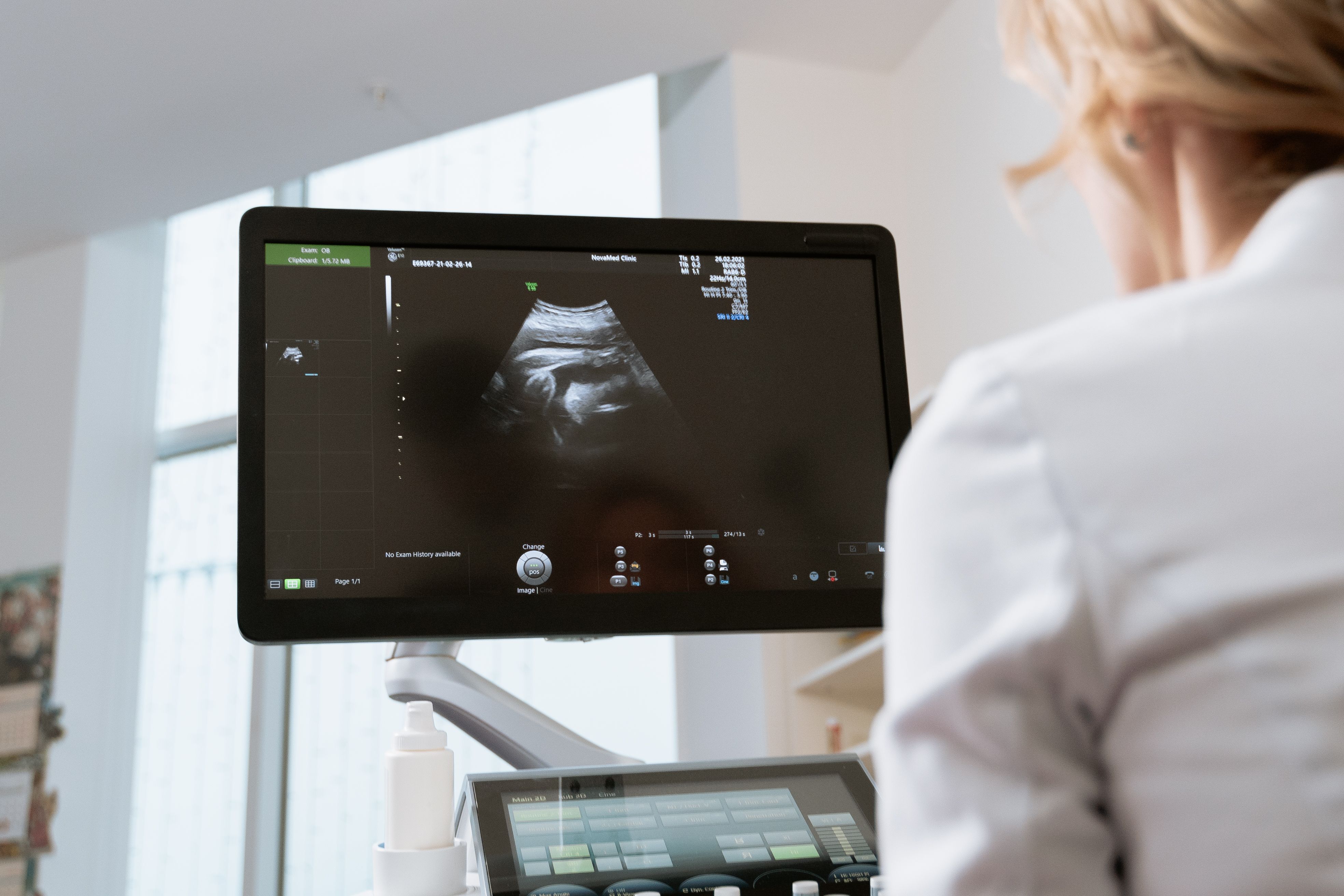
Pelvic examination and ultrasound
- 2
Medication or hormonal symptom control
- 3
Discussion of procedural and surgical options when needed
03
Frequently asked questions
Helpful answers before your visit.
Do all fibroids need treatment?
No. Fibroids that are small and not causing problems may only need observation. Treatment is considered when symptoms affect health, comfort, fertility, or quality of life.
Can fibroids affect pregnancy?
Depending on their size and location, fibroids may affect fertility or pregnancy. Many people with fibroids have healthy pregnancies, so individual assessment matters.
What are the treatment options?
Options may include monitoring, medicines, hormonal therapy, minimally invasive procedures, myomectomy, or hysterectomy. The right choice depends on symptoms and future pregnancy plans.